
What is CXM? The Ultimate Guide to Customer Experience Management
In the modern business landscape, the phrase "the customer is always right" has evolved into something far more sophisticated. It’s no longer just about the transaction; it’s about the entire journey. As we navigate 2026, the term CXM (Customer Experience Management) has moved from a buzzword to a critical business mandate. But what is CXM, and why is it the defining factor between brands that thrive and those that merely survive?
Introduction: Beyond Customer Service: What is CXM?
At its core, Customer Experience Management (CXM) is the practice of overseeing and coordinating every interaction a customer has with a business throughout their entire lifecycle. While traditional customer service is reactive (fixing a problem after it happens) CXM is proactive and holistic.
In 2026, customer expectations are at an all-time high. They expect personalization, speed, and a seamless transition between digital and physical touchpoints. What is CXM? It is the strategic framework that ensures a brand meets those expectations at every turn, turning satisfied customers into vocal advocates.
CXM vs. CRM: Why Your Business Needs Both

A common point of confusion for many business leaders is the difference between CXM vs. CRM (Customer Relationship Management). While they sound similar, they serve two distinct but complementary purposes.
- CRM (The "What"): CRM systems are designed to manage customer data. They track sales history, contact information, and support tickets. It is a tool for the business to understand the "facts" of the relationship.
- CXM (The "How"): CXM is focused on the experience of the customer. It integrates Voice of the Customer (VoC) data to understand the emotional sentiment behind the data points.
Think of it this way: Your CRM knows that a customer bought a product three times. Your CXM strategy knows why they might not buy a fourth time because it captured their feedback regarding a recent shipping delay. To stay competitive, you need the data of a CRM and the soul of a CXM.
The Pillars of a Modern CX Strategy in 2026
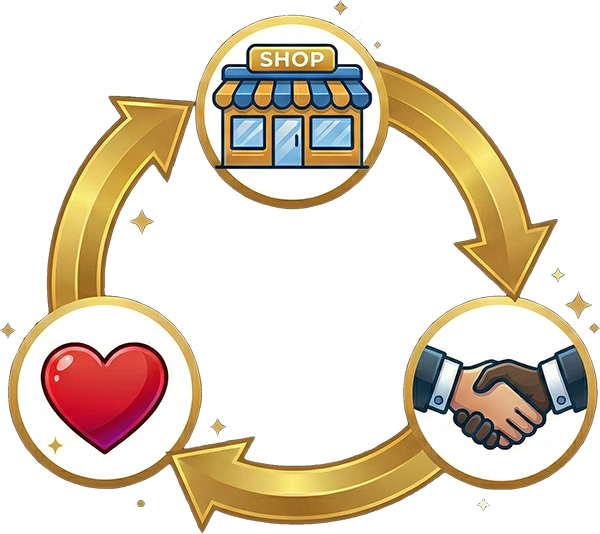
Building an effective CX Strategy in 2026 requires moving beyond static surveys. The most successful organizations are now focusing on Customer Journey Orchestration. This means looking at the customer's path not as a series of silos (Sales, Marketing, Support), but as a continuous loop.
Key pillars of a 2026 strategy include:
- Real-Time Feedback: Capturing sentiment the moment an interaction occurs.
- Closing the Loop: Using automation to ensure that if a customer reports a negative experience, a team member is alerted instantly to resolve it.
- Omnichannel Consistency: Ensuring the "voice" of your brand is the same on a mobile app as it is in a face-to-face meeting.
Measuring Success: The Metrics That Matter (NPS and Beyond)
You cannot manage what you do not measure. In the world of CXM, the Net Promoter Score (NPS) remains the gold standard for gauging long-term loyalty. By asking the simple question ("How likely are you to recommend us?") businesses get a clear snapshot of their brand health.
>However, a modern CXM approach goes deeper. It pairs NPS with qualitative feedback. While the score tells you where you stand, the open-ended comments from your customers tell you why. At LoyaltyLoop, we see time and again that the "why" is where the most valuable business improvements are hidden.
Conclusion: Turning CXM into a Competitive Advantage
Understanding what is CXM is only the first step. The real magic happens when you implement a system that makes feedback actionable. In an era where products are easily replicated, the experience you provide is your only true differentiator. By focusing on the Voice of the Customer and mastering the art of journey orchestration, you build a business that is resilient, customer-centric, and primed for growth.

Is your business ready to close the loop?
Managing the customer experience shouldn't be a manual burden. LoyaltyLoop automates the process of gathering feedback, measuring NPS, and identifying your most loyal promoters.
Schedule a Demo with LoyaltyLoop today to see how we can turn your customer experience into your greatest growth engine.
Schedule a DemoFrequently Asked Questions (FAQs)
Q: What is the main difference between CX and CXM?
A: CX (Customer Experience) is the result of the interactions or the "feeling" the customer has. CXM (Customer Experience Management) is the actual strategy, tools, and processes a business uses to influence and improve those feelings.
Q: Can small businesses implement a CXM strategy?
A: Absolutely. In fact, small businesses often have a competitive advantage in CXM because they can pivot faster and offer more personalized "high-touch" responses than large corporations.
Q: How often should we measure NPS?
A: Consistency is key. Rather than a once-a-year "blast," we recommend a "drip" approach where feedback is collected shortly after key milestones in the customer journey to ensure the data is always fresh.